Getting the Hang of the Top 10 Jump Rope Techniques for All Ability Levels
The jump rope is a dynamic tool for athleticism, coordination, and creative expression; it is by no means merely a basic fitness aid. A world of thrilling tricks becomes available once you’ve perfected the fundamental bounce, turning your workout into a fun but difficult dance. Learning new jump rope tricks can be a fulfilling experience, regardless of your goals—improving your routine, impressing your friends, or just pushing your physical limits. From basic moves for novices to more complex manoeuvres that will challenge your control and agility, this guide will walk you through ten essential tricks.
Why Master Jump Rope Tricks?
Learning tricks isn’t just for show; it offers significant benefits:
- Enhanced Coordination: Tricks demand precise timing and coordination between hands, feet, and eyes.
- Improved Agility and Footwork: You’ll develop quicker reflexes and more nimble feet.
- Increased Stamina: The varied movements challenge your cardiovascular system in new ways.
- Mental Engagement: Learning and executing tricks keeps your mind sharp and engaged.
- Fun Factor: It keeps your workouts exciting and prevents monotony.
Before You Begin: The Essentials
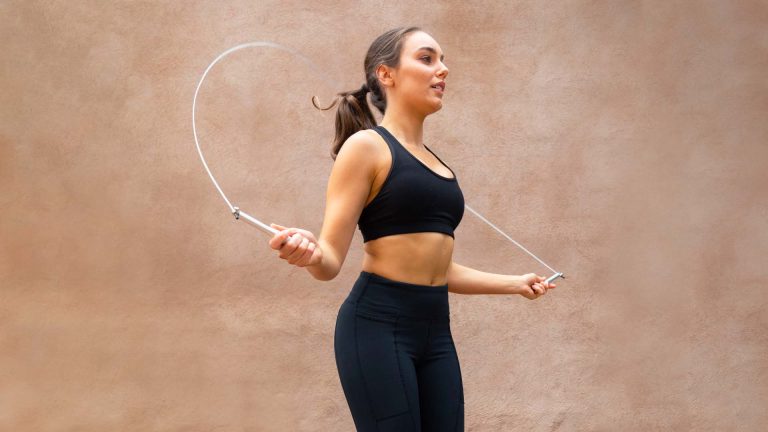
- Proper Rope Length: When you stand on the middle of the rope, the handles should reach your armpits.
- Good Quality Rope: A speed rope or a beaded rope is often best for tricks.
- Warm-up: Always perform 5-10 minutes of light cardio and dynamic stretches before jumping.
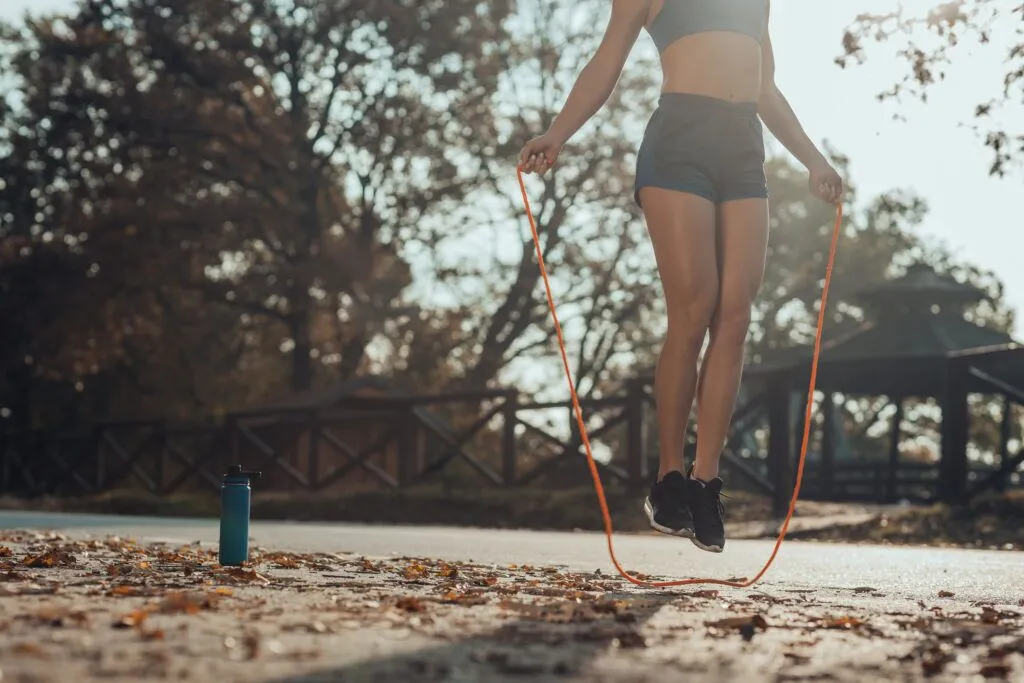
- Practice Surface: A smooth, shock-absorbing surface like a gym floor, a mat, or grass is ideal. Avoid concrete.
The Top 10 Jump Rope Tricks
Let’s dive into the moves, progressing from foundational to more complex.
1. The Basic Bounce (Two-Foot Jump)
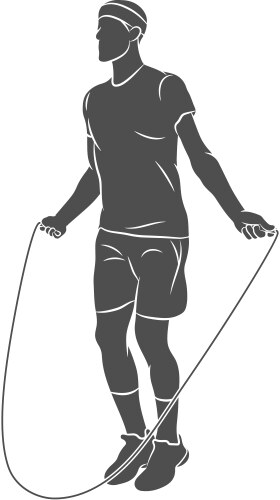
- Description: The fundamental jump where both feet leave the ground simultaneously.
- How-to: Keep your body upright, elbows close to your sides, rotating the rope with your forearms. Jump just high enough to clear the rope, landing softly on the balls of your feet. Maintain a consistent rhythm.
- Beginner Tip: Master this first. Practice short bursts of 30-60 seconds, focusing on rhythm and minimal jump height. This is your foundation for all other tricks.
2. The Alternate Foot Step (Running Step)
- Description: A continuous running-in-place motion where you alternate which foot lands after each rope revolution.
- How-to: Mimic a light jog. As the rope swings, lift one foot and land on the other, alternating feet. Keep your knees slightly bent and land softly.
- Beginner Tip: Start slowly, ensuring you clear the rope with each foot. This builds endurance and introduces rhythmic footwork.
3. The Boxer Skip
- Description: A rhythmic side-to-side shift, where you alternate weight from one foot to the other, incorporating a slight hop or tap with the non-weight-bearing foot.
- How-to: Shift your weight to one foot as the rope passes. As it comes around again, shift to the other foot. You can lightly tap the non-weight-bearing foot to the side or front before shifting weight.
- Beginner Tip: Focus on the side-to-side shift and rhythm. It’s excellent for building stamina and dynamic balance.
4. The Criss-Cross (Crossover)
- Description: While the rope is overhead, cross your arms in front of your body, creating a loop to jump through. Uncross your arms on the next revolution.
- How-to: Perform a regular jump. As the rope comes forward, cross your arms at the forearms (right arm over left, or vice versa). Jump through the created loop. Uncross your arms immediately after clearing the rope to prepare for the next standard jump or another crossover.
- Intermediate Tip: Practice the arm motion without the rope first. Start by doing one crossover, then several basic jumps, then another crossover.
5. The Side Straddle (Out-Out, In-In)
- Description: Jump with feet wide apart (straddle), then immediately bring them together before the next jump.
- How-to: As the rope passes, jump with your feet wider than shoulder-width apart. On the very next rope pass, jump with your feet together. Maintain a continuous rhythm.
- Intermediate Tip: Focus on quick foot transitions. This improves agility and leg coordination.
6. The Heel-Toe Tap
- Description: While jumping, tap one heel out in front, then tap the opposite toe out behind.
- How-to: Perform a basic jump. As you land, quickly tap one heel forward, then jump again. On the next jump, quickly tap the opposite toe backward. Alternate sides or stick to one side for several taps.
- Intermediate Tip: This requires good rhythm and balance. Start slowly and exaggerate the taps until you get the feel.
7. The High Knees
- Description: Bring your knees up high towards your chest with each jump, similar to a high-knee running drill.
- How-to: As the rope comes under, drive one knee high towards your chest. Land, and on the next revolution, drive the other knee high. Or, perform continuous high knees with each jump.
- Intermediate Tip: This is a great cardio and leg strength builder. Focus on explosiveness and maintaining balance.
8. The Double Under
- Description: A challenging trick where the rope passes under your feet twice for every single jump.
- How-to: Perform a slightly higher-than-normal jump. As you jump, spin the rope much faster with your wrists to get two full rotations under your feet before you land. Keep your body tight, arms close, and jump straight up.
- Advanced Tip: This requires explosive power and extremely fast wrists. Practice the fast wrist flick without the jump first. Then try a single jump followed by a double under. Patience is key, as this takes considerable practice.
9. The Cross-Body Double Under
- Description: Combining the Criss-Cross with the Double Under – the rope passes under twice while your arms are crossed.
- How-to: This is an advanced combination of the Criss-Cross and the Double Under. It requires precision timing and explosive power. Jump higher, cross your arms, and quickly spin the rope twice before uncrossing.
- Advanced Tip: Master both the Criss-Cross and the Double Under independently before attempting this complex variation.
10. The Reverse Under (Backward Spin)
- Description: Spinning the rope backward while performing your jumps.
- How-to: Start with the rope behind you. Swing it over your head and jump as it comes under your feet, continuing to spin it backward.
- Advanced Tip: This challenges your coordination in a new way and strengthens different muscle groups. It feels awkward at first, but with practice, it becomes fluid.
Learning jump rope tricks is a journey of skill development and physical mastery. Don’t be discouraged by initial struggles; every trip is a step towards improvement. Start with the basics, build a solid foundation, and gradually introduce new challenges. With consistent practice and a spirit of playful determination, you’ll soon be leaping, crossing, and double-undering your way to a more dynamic and engaging fitness routine.