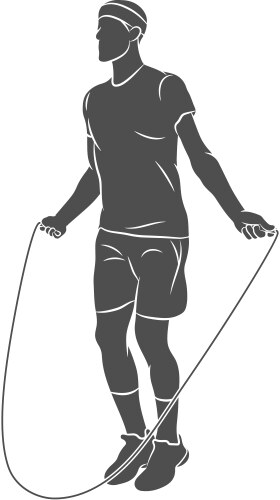
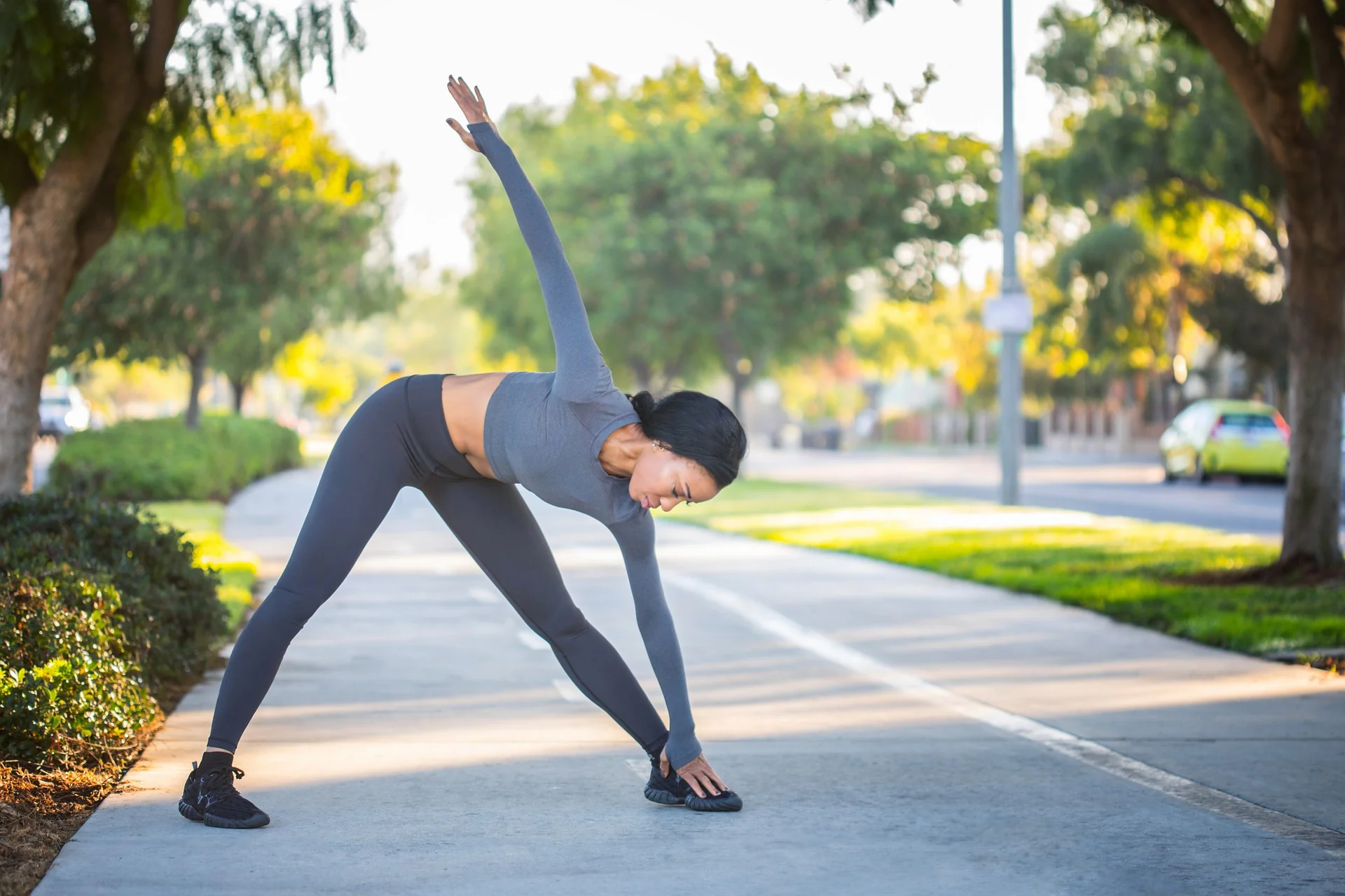
Unleashing Your Potential: A 9-Minute Jump Rope Warm-Up
The unavoidable first step in any jump rope routine is a proper warm-up before you unleash your inner boxer or perfect those difficult double unders. Your body needs time to adjust to the dynamic demands of skipping, just as an athlete doesn’t run out of the starting blocks without any preparation. Making sure your muscles are primed, your joints are lubricated, and your mind is focused is all part of optimizing your performance, not just avoiding injuries. Jump rope will feel smoother, stronger, and more satisfying if you set aside these important nine minutes to fully prepare your body.
The Imperative of Warming Up: Why Every Minute Counts
Skipping rope, especially with its repetitive impacts and rapid movements, places demands on your cardiovascular system, muscles, and joints. A comprehensive warm-up addresses these needs:
- Increases Blood Flow: Gently elevates your heart rate, pumping oxygenated blood to your muscles, making them more pliable.
- Boosts Muscle Temperature: Warm muscles are more elastic and less prone to strains or tears.
- Lubricates Joints: Stimulates synovial fluid production, reducing friction and allowing for smoother movement at your ankles, knees, hips, and shoulders.
- Enhances Neuromuscular Connection: Prepares the communication pathways between your brain and muscles, improving coordination and reaction time.
- Mental Readiness: Shifts your focus from daily distractions to the workout ahead, improving concentration and body awareness.
Your 9-Minute Jump Rope Warm-Up Protocol
This warm-up is designed to progressively prepare your entire body, starting with light cardio and moving into dynamic stretches that mimic and prepare you for jump rope specific movements. Perform each exercise for the specified duration with smooth, controlled movements.
Minute 1-3: Gentle Cardiovascular Activation
The aim here is to gradually raise your heart rate and core body temperature.
- Minute 1: Brisk Walking or Light Jogging on the Spot
- Start walking briskly, then transition to a very light jog. Focus on swinging your arms gently and lifting your knees slightly. Your breath should deepen, but you should still be able to hold a conversation. This prepares your larger muscle groups for movement.
- Minute 2: Arm Circles (Forward & Backward)
- Forward: Begin with small circles, gradually increasing the size until you’re making large, sweeping motions with your arms. Keep your core engaged.
- Backward: Reverse the direction, starting small and expanding the circles. This mobilizes your shoulder joints and warms up your upper body, crucial for rope rotation.
- Minute 3: Alternating High Knees (Low Impact)
- Bring one knee up towards your chest, then switch to the other. Keep the movement controlled and focus on engaging your core. Don’t worry about speed; focus on lifting the knee. This activates your hip flexors and deep core muscles.
Minute 4-6: Dynamic Mobility for Key Joints
These movements gently take your joints through their range of motion, improving flexibility specific to jumping.
- Minute 4: Leg Swings (Forward & Backward)
- Stand tall, holding onto a wall or sturdy surface for balance. Gently swing one leg forward and backward, starting with a small arc and gradually increasing the height of the swing. Keep your leg relatively straight but not locked. Perform for 30 seconds per leg. This mobilizes your hip joints and warms up your hamstrings and hip flexors.
- Minute 5: Ankle Rotations & Calf Raises
- Ankle Rotations: While standing or seated, lift one foot and gently rotate your ankle in slow, controlled circles, both clockwise and counter-clockwise (30 seconds per ankle).
- Calf Raises: Stand with feet hip-width apart. Slowly raise up onto the balls of your feet, holding briefly, then lower with control (30 seconds). This warms up your ankles and calf muscles, which are heavily engaged during jumping.
- Minute 6: Torso Twists (Standing)
- Stand with feet shoulder-width apart, knees slightly bent. Gently twist your torso from side to side, letting your arms swing loosely. Keep your hips relatively stable. This improves spinal mobility and warms up your core.
Minute 7-9: Jump Rope Specific Activation & Readiness
These exercises mimic jump rope movements, further preparing your body for the unique demands of skipping.
- Minute 7: Bodyweight Squats (Controlled)
- Perform 10-12 slow, controlled bodyweight squats. Focus on driving your hips back as if sitting in a chair, keeping your chest up. This activates your glutes, quadriceps, and hamstrings without external load, preparing them for the repetitive jumping motion.
- Minute 8: Pogo Jumps (No Rope)
- Stand with feet together. Perform small, light jumps, keeping your knees slightly bent and landing softly on the balls of your feet, mimicking the jump rope bounce but without the rope. Focus on a quick, rhythmic bounce. This primes your ankles and calves for the continuous impact.
- Minute 9: Arm Rotations for Rope Handling
- Hold your hands as if holding a jump rope, elbows close to your body. Perform small, rapid rotations with your wrists and forearms, simulating the rope’s movement. Focus on the quick, precise wrist action needed for skipping. This ensures your forearms and wrists are ready.
Final Thoughts: Invest in Your Workout
Resist the urge to skip this vital 9-minute warm-up. By taking the time to properly prepare your body, you’re not just safeguarding against injury; you’re setting yourself up for a more effective, enjoyable, and productive jump rope workout. Get warm, get loose, and then get ready to jump into your best session yet!